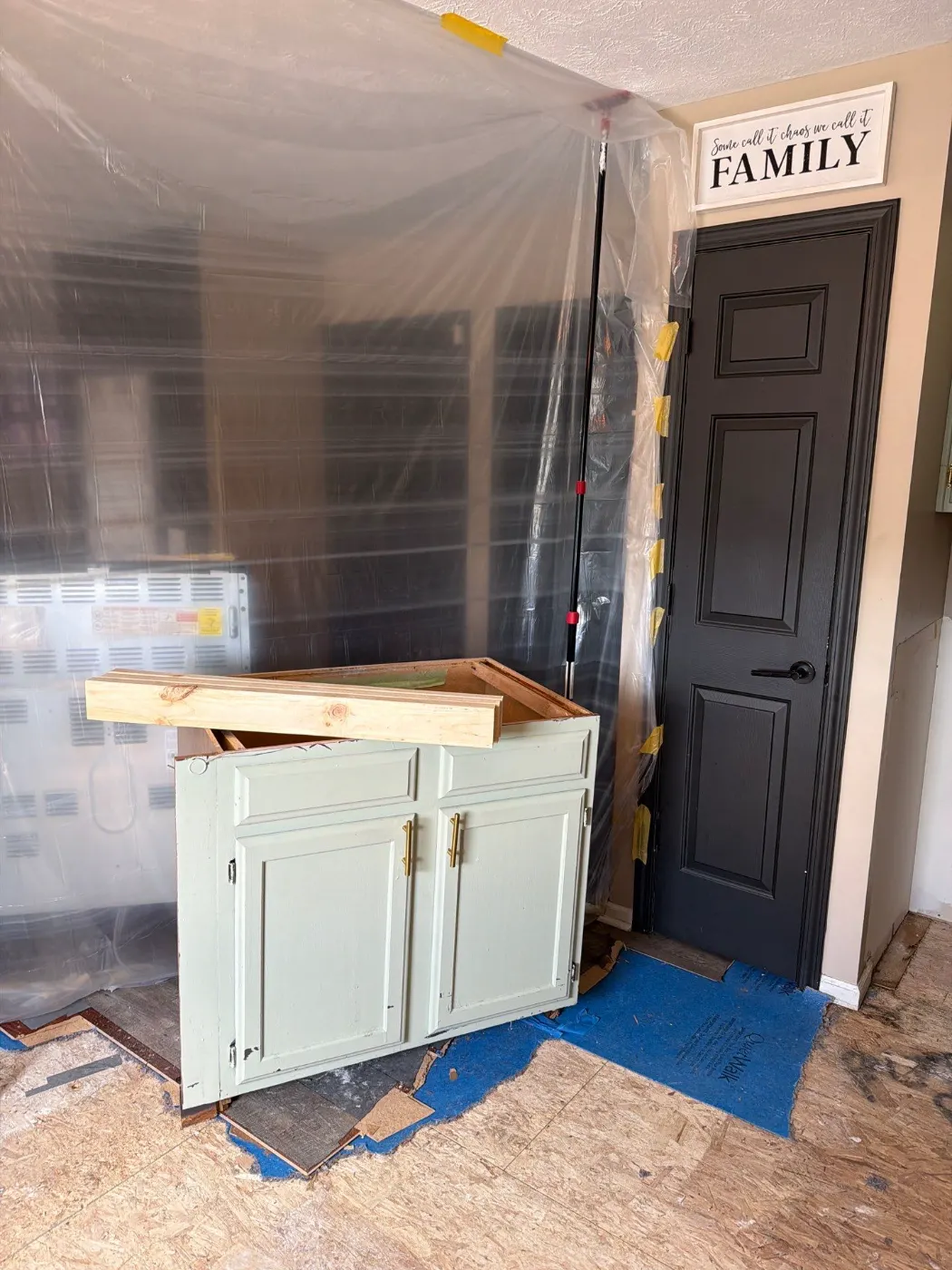
Commercial Storm Damage in Stones Crossing, IN
Multitenant buildings and warehouse slabs get commercial drying capacity across Stones Crossing and Johnson County.
Stones Crossing Water Restoration provides Commercial Storm Damage in Stones Crossing, IN. 24/7 emergency response with IICRC certified crews, and we work with your insurance carrier on approved claims. Call (765) 436-6771 for immediate dispatch.
- Service: Commercial Storm Damage for Stones Crossing homeowners
- Service area: Stones Crossing, IN and surrounding areas
- Response time: 24/7 live dispatch; emergency crews prioritized for Stones Crossing
- Licensed and insured (License #RC21100059)
- Serving Stones Crossing, IN since 2018
Commercial Storm Damage for Stones Crossing Businesses
Gravity moves storm water from an upper floor of your Stones Crossing building into the stairwell and the pipe chase, and it settles in the lowest storage room. The visible stains are at the top, and the soaked stock and equipment are at the bottom. Stones Crossing Water Restoration walks the building from the point of entry down and reads every level the water touched.
Where a roof drain or floor drain backed up, the crew confirms with your building engineer or plumber that the line is flowing before extraction starts. A line that's still backing up refills the floor as fast as it's pumped. The confirmation, along with a photo of the drain, is recorded in the job file for your Stones Crossing building.
Every job at your Stones Crossing property opens with a walk alongside the property manager. The crew marks the wet areas on a floor plan and agrees on a staging spot and a debris route that stays away from tenant entrances. Nothing gets staged until the walk is finished and the plan is agreed, and shutoff and panel locations are written on the plan before the first machine runs.
Carriers want to know what failed and when. Stones Crossing Water Restoration photographs the roof condition at the breach, the path the water took, and the interior it reached, then dates all of it. On a loss in Stones Crossing that record is what separates storm damage from a long term condition in the adjuster's read, and it gets built on the first visit while the evidence is still there to photograph.
Stopping the water early keeps the reconstruction smaller. Call Stones Crossing Water Restoration for commercial storm intrusion in Stones Crossing, IN and a crew dispatches day or night with materials to close the breach and equipment to dry what's already wet. The documentation is built for your carrier.
Signs You Need Commercial Storm Damage Restoration
If you notice any of these in your Stones Crossing building, schedule a free inspection before the issue worsens.
Mechanical room floor drains that fill during heavy rain and empty slowly afterward
Water standing in a elevator pit, or a pit pump that's been cycling longer than usual
Receptacles on an exterior wall that trip the breaker or show beads of moisture
Open seams, shrinkage at a membrane lap, or a corner of the roof lifting in wind
Fresh brown rings on ceiling tile directly under an interior roof drain line
Paint blistering or wall covering bubbling on a wall that backs up to the exterior
Damp, darkened flooring in a band just inside the main entrance after a windy rain
Rust on the metal stud track at the bottom of a wall cavity once an opening is cut
Rust streaks or white efflorescence running down an interior wall below a parapet line
Floor boxes near the glass line with corrosion or standing water inside
How Stones Crossing Water Restoration Handles Commercial Storm Damage
We follow these steps in order on every Stones Crossing job.
Occupied Space Planning
Suites and corridors that must stay in service get marked on the plan before any equipment is staged, along with where the barriers go. The loud work is scheduled for hours when the space is empty.
Structural Drying Setup
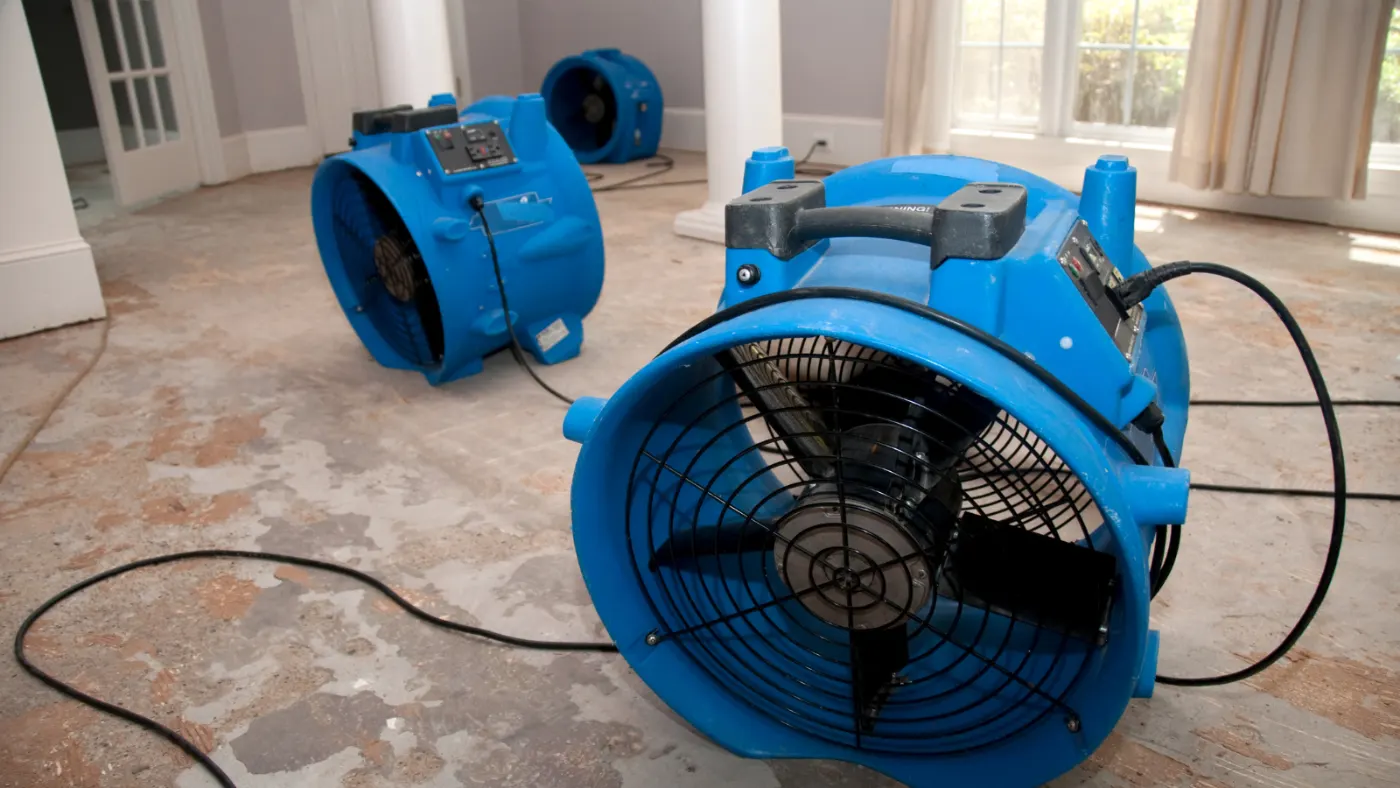
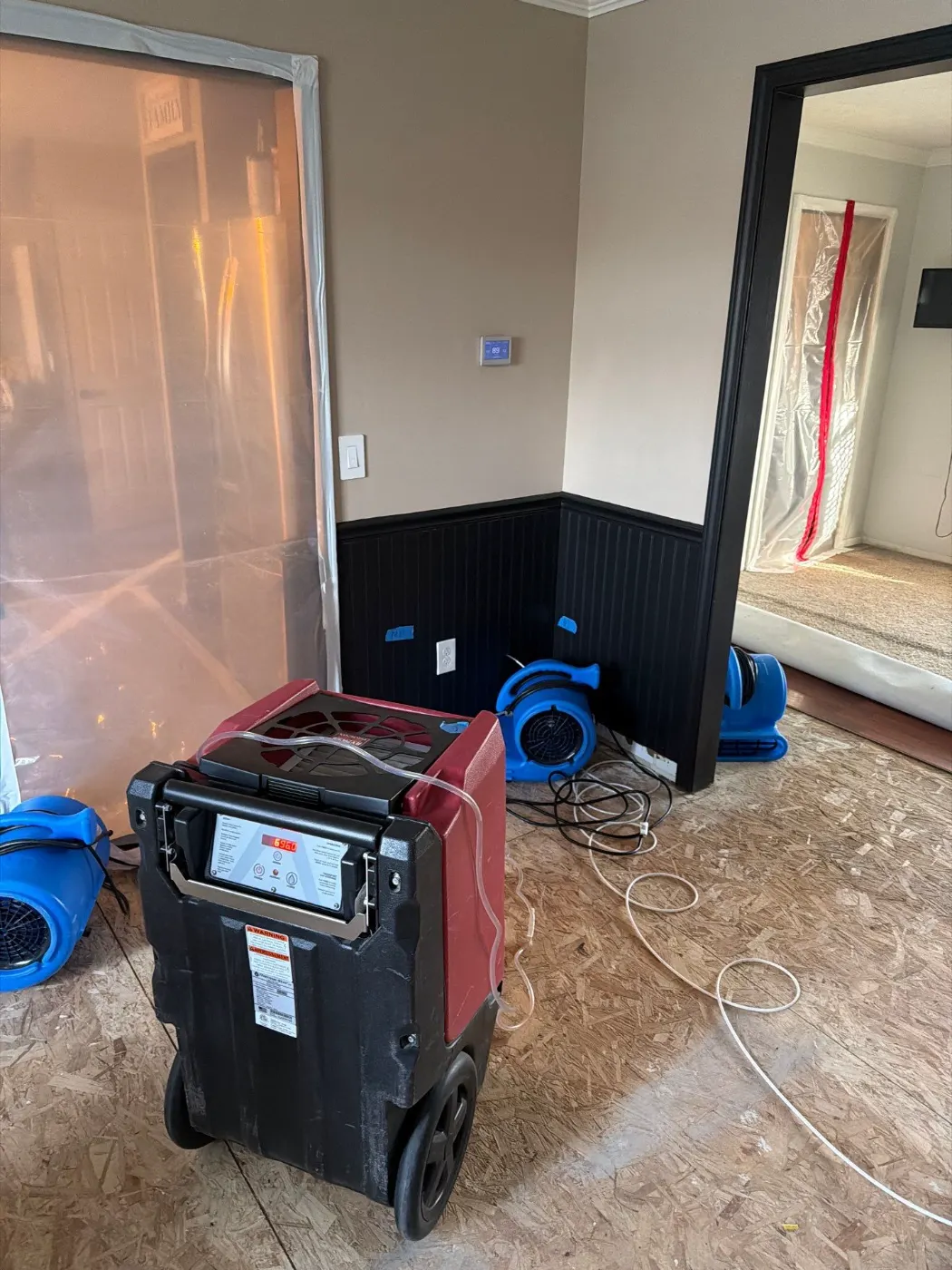
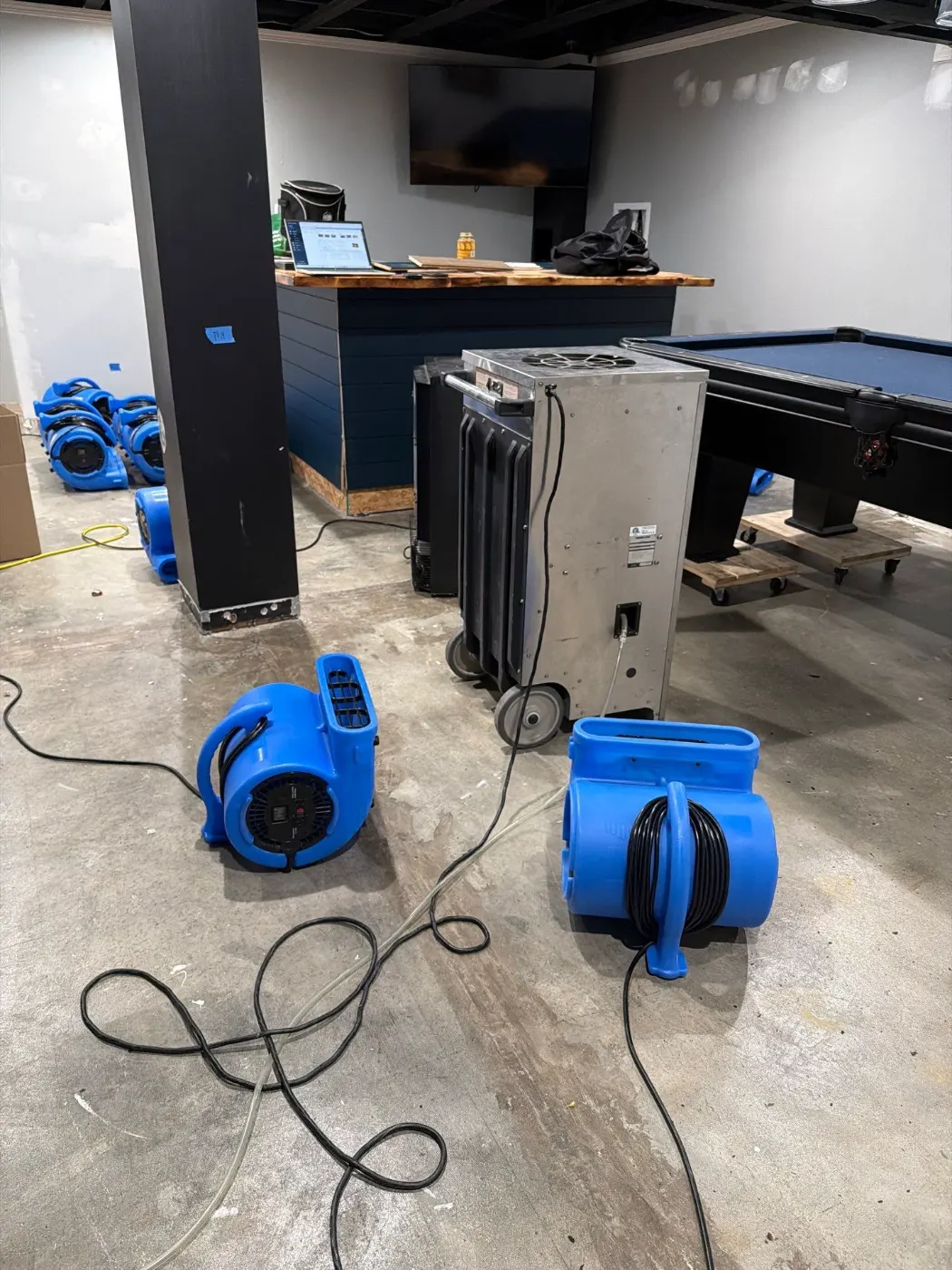
Dehumidification is sized to affected cubic footage, desiccant for open floor plates and refrigerant units for enclosed suites. Air movers go in at calculated angles. The crew checks available amperage and brings distribution or generator power when building panels can't carry the load.
Daily Readings Logged
Each day brings temperature, relative humidity and material moisture readings logged against an unaffected baseline elsewhere in the building. Equipment moves based on what the numbers show. The property manager gets the readings and the photos the same day.
Midpoint Scope Review
Partway through the job, the crew compares the readings with the projected equipment period and tells the property manager if the schedule or the scope has moved. Added removal is photographed and explained before the work starts.
Equipment Out and Space Release
As each area reaches its dry goal, the equipment comes out of it and the space goes back to the tenant. The release date and final readings for every area go in the file.
Commercial Storm Damage in Stones Crossing
Photographs from real commercial storm damage jobs completed by our crew in Stones Crossing and surrounding areas.
Commercial Storm Damage FAQ
Questions Stones Crossing property managers ask us about commercial storm damage restoration.
Guidance and Standards for Commercial Storm Damage
- The National Weather Service office in Indianapolis posts summaries of recent central Indiana storm and flood events. NWS Indianapolis Event Summaries
- The ANSI/IICRC S500 is the published standard for professional water damage restoration. The current edition is the Fifth Edition, 2021. IICRC S500 Standard
Stones Crossing Neighborhoods We Serve
We take commercial storm damage calls in every part of Stones Crossing. Pick your neighborhood for local details.
Other Restoration Services in Stones Crossing
Stones Crossing Water Restoration handles the full scope of restoration work. Explore our other services below.
Water Damage Restoration in Stones Crossing
24/7 emergency response. IICRC certified water restoration from extraction to full dry out.
Learn more →Basement Flooding in Stones Crossing
Basement water emergencies handled fast. Extraction, drying, mold prevention.
Learn more →Sewage Cleanup in Stones Crossing
Category 3 biohazard cleanup. Full containment, decontamination, structural restoration.
Learn more →Request Commercial Storm Damage Restoration
Reach Us Directly
Our team is available 24/7 for emergencies and ready to schedule inspections during business hours.
Need Immediate Help?
For active water or mold emergencies, call us directly. We are available 24/7.