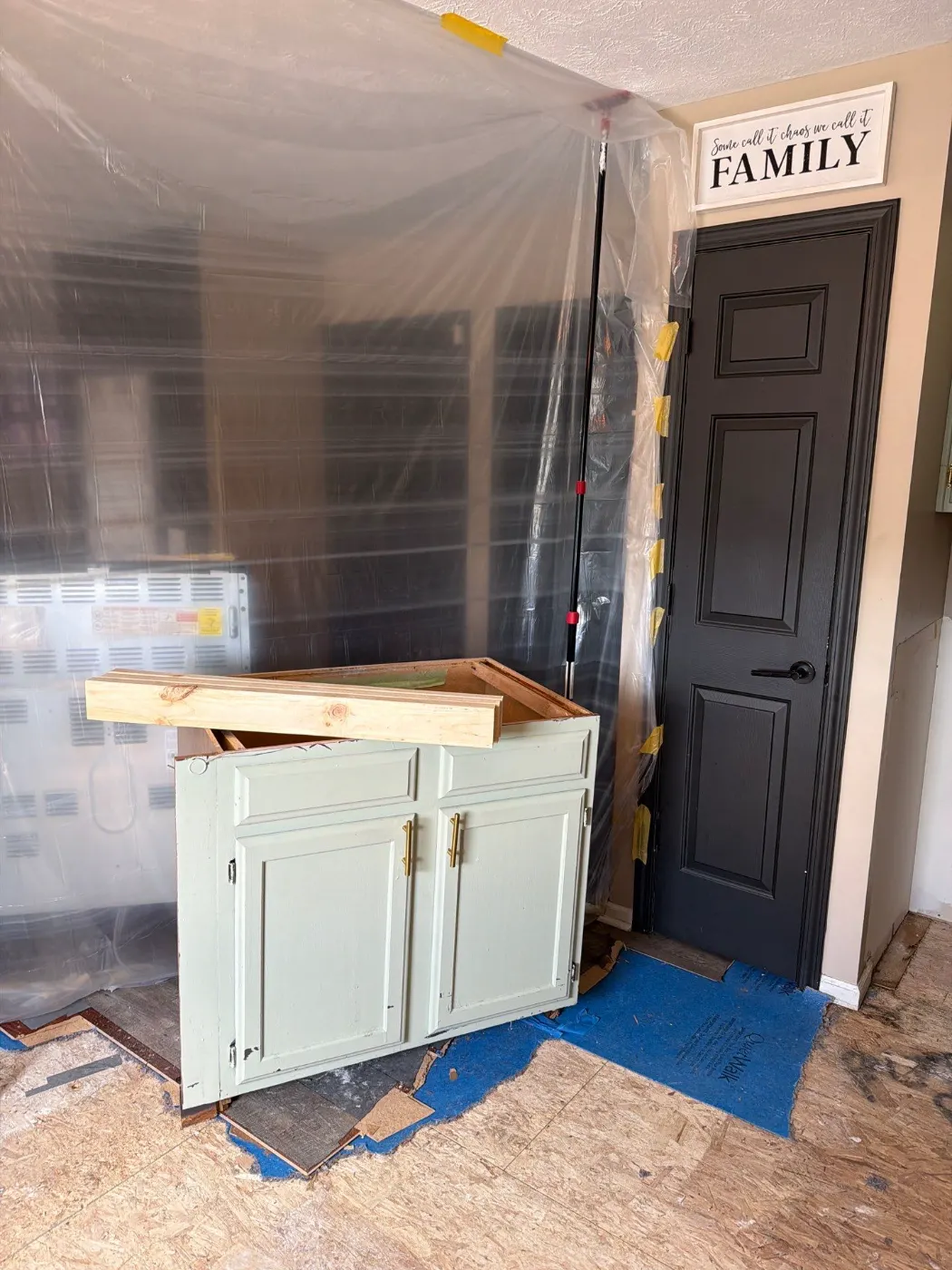
Basement Flooding in Stones Crossing, IN
Basement water pumped out and the structure dried to a measured number before the finished space goes back.
Stones Crossing Water Restoration delivers Basement Flooding across Stones Crossing and surrounding areas with certified crews available 24/7 and every step documented for insurance. Call (765) 436-6771.
- Service: Basement Flooding for Stones Crossing homeowners
- Service area: Stones Crossing, IN and surrounding areas
- Response time: Same day emergency response for Stones Crossing; 24/7 availability
- Licensed and insured (License #RC21100059)
- Serving Stones Crossing, IN since 2018
Basement Flooding Cleanup in Stones Crossing
We'll pump out and dry a flooded basement anywhere in Stones Crossing, day or night.
Basements Here
Most Stones Crossing homes went up between the 1990s and the 2020s, and full basements are common.
Where the Water Comes From
Many basements here depend on a sump pump to stay dry, so a pump that quits during a storm can flood the space fast. Parts of Stones Crossing sit near regulated floodplain.
Our crews work all over Stones Crossing, from Flats at Stones Crossing to the streets near Kephart Park and Stones Crossing Road. We also clean up flooded basements in Franklin, New Whiteland, Bargersville and Greenwood.
Expert Basement Flooding for Stones Crossing Homeowners
Everything you keep in the basement was on the floor, which is where the water goes first. Cardboard wicks it up the sides of a box within minutes, particleboard furniture swells at the base and doesn't come back down, and upholstery holds it for days. Stones Crossing Water Restoration dispatches to Stones Crossing within two hours, gets contents up off the slab and inventoried while the extraction runs, and photographs what came out before any of it leaves the house.
Concrete can't be read on a wood scale, so Stones Crossing Water Restoration takes slab readings by comparison. The crew measures a part of your Stones Crossing basement the water never reached and uses that spot as the reference, then checks the wet areas against it. Wood and drywall get their own readings, and the dry target for each material comes from the same house.
Tile and plank floors over a basement slab get lifted at an edge so the crew can read what's underneath. Floors that stayed firmly attached and read dry can stay, and floors that released from the concrete or trapped water against it come up in sections so the slab can dry. Each choice in your Stones Crossing basement gets a photo and a reading.
The readings are what make a basement scope easy to follow. Stones Crossing Water Restoration records why the water was classified the way it was, how the drying equipment was sized from the measured wet area and the final readings that ended the drying. Each line in your Stones Crossing file points to a photo or a number, and the crew walks you through any line you want explained.
A wet finished basement in Stones Crossing is a scope that's growing while you think about it. Call Stones Crossing Water Restoration and a crew dispatches to extract, measure, and show you which materials can dry in place. The readings and photos are yours whether you file a claim or pay for the work yourself.
Signs You Need Basement Flooding Cleanup
If you notice any of these in your Stones Crossing home, schedule a free inspection before the issue worsens.
Condensation beading on cold water lines while the concrete floor stays dark and cool
Water pooled around the washer in your Stones Crossing basement after a hose split or a standpipe overflow
A sump pump that cycles every minute or two, which usually points at a failed check valve
Doors and trim in your Stones Crossing basement swelling and sticking in the frame after a wet spell
Cardboard boxes gone soft at the bottom corners, or collapsing when you pick them up
Carpet tack strip rusting, with the pad underneath breaking apart when you lift a corner
The breaker feeding your Stones Crossing sump pump has tripped and the pit is filling
Standing water across the slab, or pooled at the low spot of the floor near the drain
Water beading out of a wall crack during a steady rain, then drying up when the rain stops
Batt insulation sagging out of the stud bays, darker and heavier along the bottom edge
How Stones Crossing Water Restoration Handles Basement Flooding
We follow these steps in order on every Stones Crossing job.
First Call and Triage
You describe where the water is and how deep it looks. The crew asks whether the power is on at your Stones Crossing home, then tells you what's safe to do while you wait, like shutting off a water supply.
Scope Review
The crew walks the moisture map of your Stones Crossing basement with you and explains what can dry in place and what has to come out. You approve the scope in writing before any drywall is cut, and any change comes with new photos and readings.
Contents Handling
What was stored on the floor gets photographed, inventoried, and either blocked up off the slab or carried out of the space. Soft goods and cardboard that held contaminated water leave the house, and the list of it goes in your file.
Drying Chamber Setup
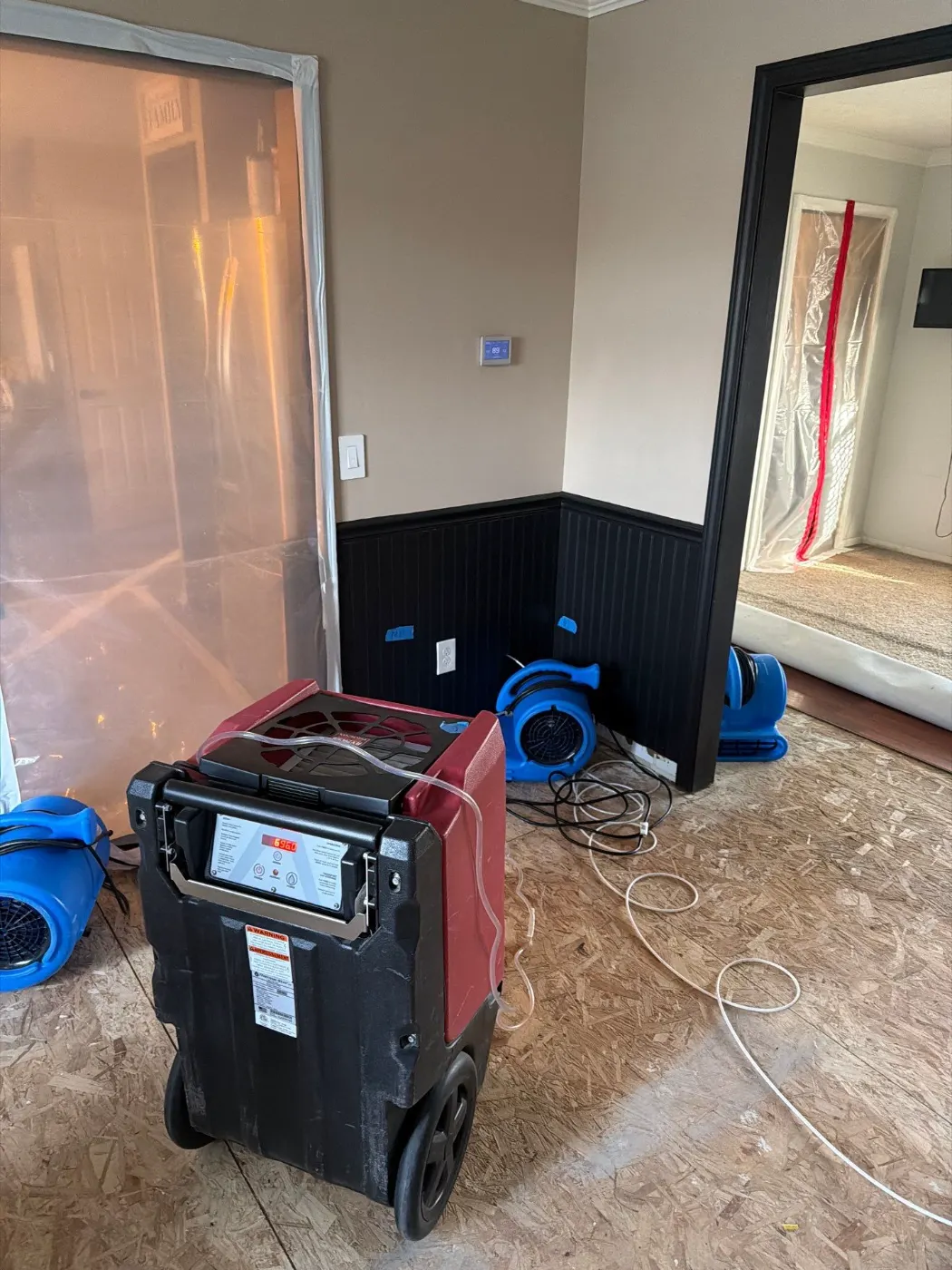
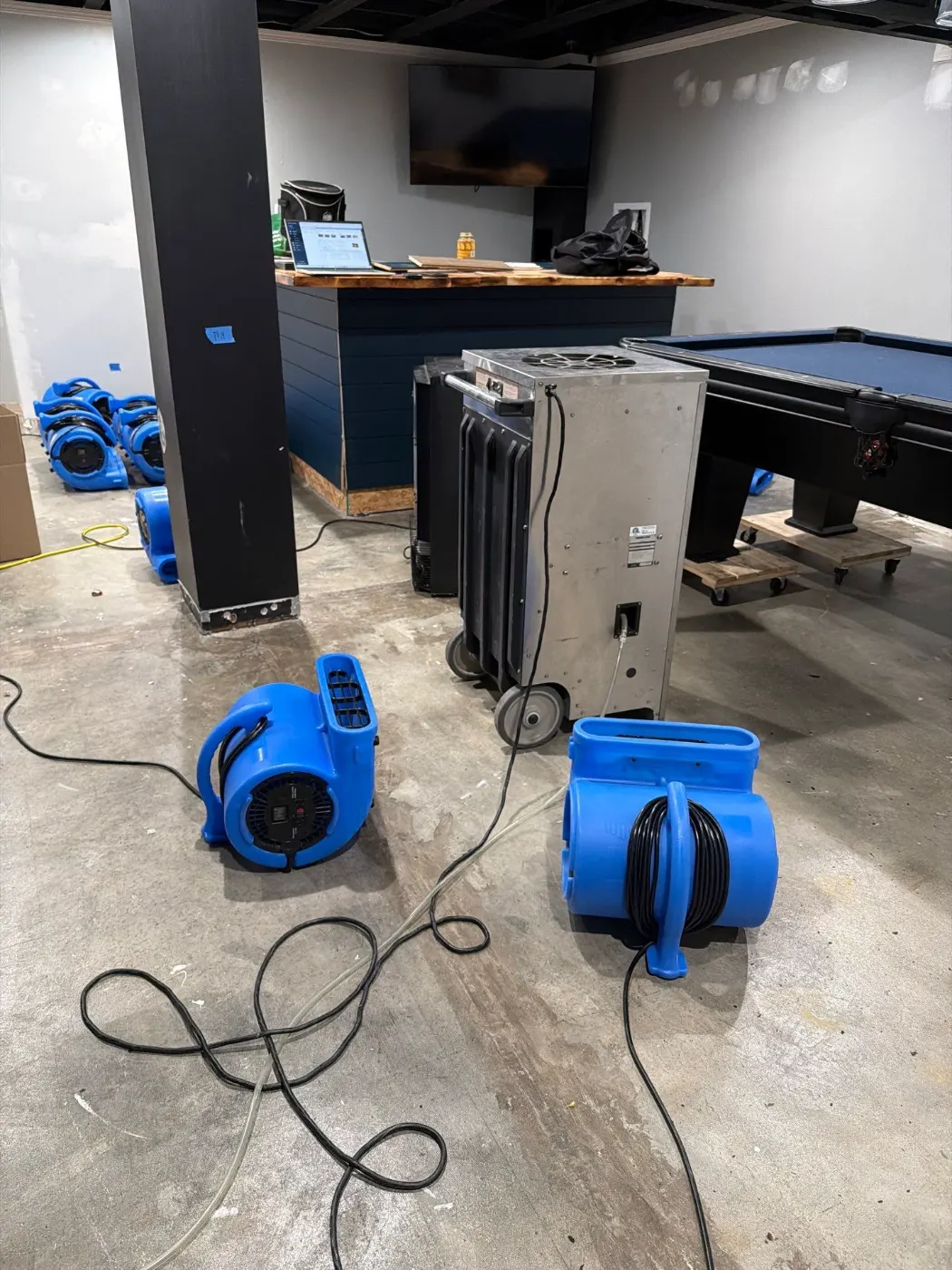
Dehumidification gets sized to the cubic footage of a closed space and air movers get placed to sweep the wet surfaces. The basement stays closed while it dries, since outside air in humid weather adds moisture to a cool space with masonry walls.
Records Handoff
You receive the photo report, the moisture map, the daily logs and the equipment record for your Stones Crossing basement in one file. The crew goes through it with you and answers questions about any line, so you can use it with your insurance company.
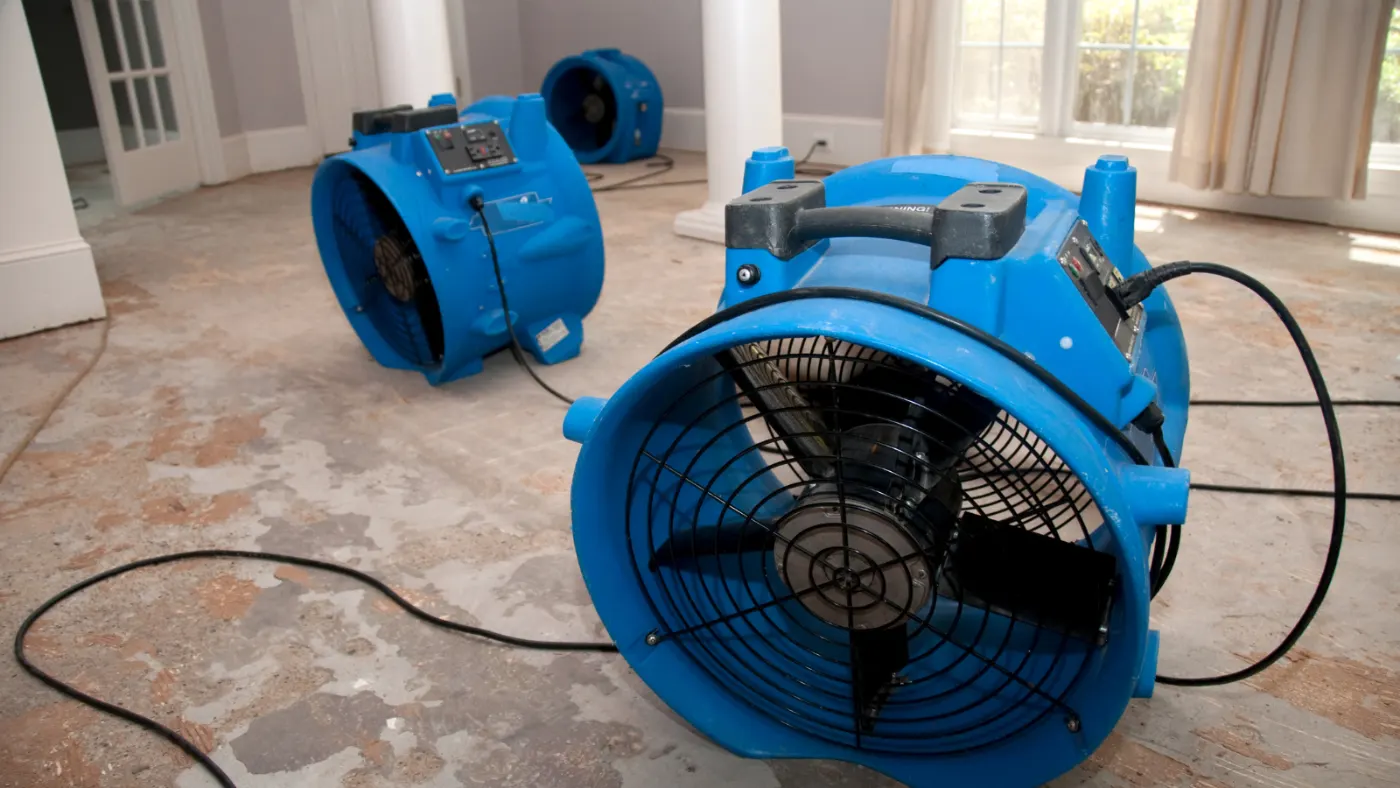
Basement Flooding in Stones Crossing
Photographs from real basement flooding jobs completed by our crew in Stones Crossing and surrounding areas.
Basement Flooding FAQ
Questions Stones Crossing homeowners ask us about basement flooding cleanup.
Guidance and Standards for Basement Flooding
- EPA advises drying water damaged areas and items within 24 to 48 hours to prevent mold growth. EPA: A Brief Guide to Mold, Moisture and Your Home
- Ready.gov notes that homeowners insurance policies don’t cover flooding, so check what your own policy says. Ready.gov: Floods
Stones Crossing Neighborhoods We Serve
We take basement flooding calls in every part of Stones Crossing. Pick your neighborhood for local details.
Other Restoration Services in Stones Crossing
Stones Crossing Water Restoration handles the full scope of restoration work. Explore our other services below.
Water Damage Restoration in Stones Crossing
24/7 emergency response. IICRC certified water restoration from extraction to full dry out.
Learn more →Sewage Cleanup in Stones Crossing
Category 3 biohazard cleanup. Full containment, decontamination, structural restoration.
Learn more →Storm Damage in Stones Crossing
Storm related water emergencies. Tarping, extraction, drying, and full restoration.
Learn more →Request Basement Flooding Cleanup
Reach Us Directly
Our team is available 24/7 for emergencies and ready to schedule inspections during business hours.
Need Immediate Help?
For active water or mold emergencies, call us directly. We are available 24/7.